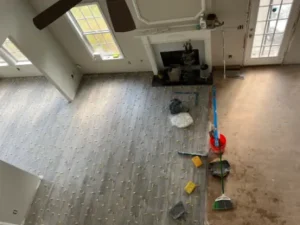
Quick Facts
- Removes Hidden Construction Dust – Professional deep cleaning targets fine particles trapped in vents, cabinets, curtains, and ceiling corners after renovation works.
- Improves Indoor Air Quality – Advanced HEPA filtration helps reduce airborne dust, making homes safer and more comfortable for Malaysian families.
- Prevents Dust From Returning – Proper post-renovation cleaning methods stop recurring white powder buildup on floors, furniture, and glass surfaces.
- Protects New Interior Surfaces – Expert cleaning prevents scratches, cement stains, and damage to newly installed flooring, tiles, kitchen cabinets, and fittings.
- Creates a Move-In Ready Space – Detailed cleaning services prepare renovated homes and offices for immediate occupancy with cleaner air and healthier surroundings.
Anyone who has completed a home or office makeover in Malaysia knows the feeling — the renovation is finally done, but the fine dust keeps appearing days or even weeks later. In this blog, we will explore why post-construction dust is so difficult to remove, the hidden health and maintenance risks it creates, and the latest cleaning methods professionals use today for long-lasting results. We will also look at how proper cleaning equipment, air treatment, and deep detailing make a major difference in Malaysian properties, especially in humid urban environments like Kuala Lumpur, Selangor, and Penang.
Why Renovation Dust Keeps Coming Back
Many homeowners think a simple wipe-down is enough after contractors leave. Unfortunately, renovation dust behaves very differently from normal household dust. It is made up of ultra-fine particles from cement, wood, paint, plaster, tiles, and drilling debris. These particles are so tiny that they settle into hidden spaces such as:
- Air-conditioning vents
- Ceiling corners
- Curtain fabrics
- Cabinet gaps
- Sofa fibres
- Electrical sockets
- Window tracks
In Malaysia’s humid climate, dust can also stick to surfaces more easily. This is why many people notice a “white powder” returning even after several rounds of mopping and vacuuming.
The real issue is not just visible dirt. The hidden particles continue circulating in the indoor air whenever fans or air-conditioners are switched on.
The Hidden Health Effects Most People Ignore
A lot of families only focus on appearance after renovation works. However, indoor air quality is equally important.
Fine renovation particles may trigger:
- Sneezing and sinus irritation
- Dry throat and coughing
- Eye discomfort
- Skin irritation
- Breathing issues for children and elderly family members
This is especially common in condominiums and landed homes where ventilation is limited during renovation periods.
Today, more Malaysian homeowners are becoming aware of post-renovation indoor pollution. Because of this trend, professional deep cleaning is no longer seen as a luxury service. It has become part of responsible home preparation before moving in.
What Makes Professional Dust Removal Different?
One major mistake people make is using regular household vacuums. Most standard vacuums cannot trap microscopic construction particles effectively. In some cases, they simply release the dust back into the air.
Professional teams now use industrial-grade systems designed specifically for post-construction environments. These methods are becoming increasingly popular in modern renovation cleaning projects across Malaysia.
1. HEPA Filtration Technology
HEPA filtration systems capture extremely fine particles that ordinary cleaning equipment misses. This helps improve air quality significantly after renovation works.
2. High-Level Surface Cleaning
Dust does not only stay on floors. Experts clean walls, ceilings, lighting fixtures, fan blades, wardrobes, and hidden ledges to prevent future dust circulation.
3. Air Vent and AC Detailing
Air-conditioning systems often collect large amounts of renovation debris. Proper vent cleaning helps prevent dust from blowing back into rooms repeatedly.
4. Fine Particle Extraction
Advanced extraction methods are used for corners, grooves, and tight spaces where microscopic debris accumulates.
Why DIY Cleaning Usually Fails
Many property owners attempt to handle the cleanup themselves to save money. However, without proper equipment and techniques, the process becomes exhausting and incomplete.
Common DIY cleaning problems include:
- Dust spreading from one room to another
- Scratched flooring from incorrect wiping methods
- Water stains on newly installed surfaces
- Residual cement powder remaining in grout lines
- Persistent dusty smell indoors
In high-rise Malaysian properties, renovation dust can also travel through balcony gaps and ventilation systems, making it even harder to manage alone.
This is why many homeowners now prefer engaging specialists in After Renovation Cleaning Malaysia services before moving furniture into the property.
Related Search Terms:
- house cleaning after renovation
- office renovation cleaning
- condo cleaning services Malaysia
- dust cleaning specialists
- move in deep cleaning
The Latest Cleaning Trend in Malaysia: “Move-In Ready” Detailing
A growing trend in 2026 is the demand for complete “move-in ready” cleaning solutions. Instead of basic sweeping and mopping, homeowners now expect detailed finishing that prepares the property for immediate living.
This includes:
- Glass polishing
- Sticker and adhesive removal
- Kitchen cabinet sanitising
- Toilet deep cleaning
- Fine dust extraction
- Mattress and sofa vacuuming
- Balcony detailing
- Odour treatment
The goal is not only cleanliness but comfort and peace of mind.
This trend is especially popular among new condominium owners in Kuala Lumpur, where renovation timelines are often tight and owners want faster occupancy.
Areas Most Commonly Missed After Renovation
Even experienced cleaners can overlook important spots if they rush the process.
The most forgotten areas include:
Window Tracks
These areas trap large amounts of cement dust and paint particles.
Wardrobe Hinges
Fine debris often settles inside cabinet joints and corners.
Ceiling Fans
Dust hidden on fan blades spreads quickly when switched on.
Behind Kitchen Cabinets
Construction residue frequently collects in hard-to-reach gaps.
Bathroom Fixtures
Water stains mixed with plaster dust can damage shiny finishes if left untreated.
A proper cleaning checklist ensures these hidden areas receive attention before the final handover.
Why Timing Matters After Renovation
Many people schedule cleaning too early while contractors are still doing touch-up work. This creates repeated dust contamination.
For best results, cleaning should be done only after:
- Carpentry installation is completed
- Painting touch-ups are finished
- Electrical work is finalised
- Silicone and adhesive applications are dry
- Debris removal is completed
This allows the cleaning process to be more effective and long-lasting.
Choosing the Right Cleaning Team in Malaysia
Not every cleaning company specialises in post-renovation projects. Before hiring a service provider, homeowners should check for:
- Experience with newly renovated properties
- Proper industrial cleaning equipment
- Trained manpower
- Safe cleaning chemicals
- Transparent pricing
- Flexible scheduling
Professional providers offering After Renovation Cleaning Service In KL,Malaysia are now focusing more on detailed inspections and customised cleaning plans based on property size and renovation condition.
This gives homeowners better results compared to general housekeeping services.
Additional Secondary Keywords:
- professional cleaning company Malaysia
- post construction cleaning
- renovation dust cleaning experts
- commercial cleaning services KL
- sanitisation cleaning services
Conclusion
A beautiful renovation should feel fresh, healthy, and comfortable — not dusty and stressful. The secret to permanent dust removal is not simply cleaning harder, but cleaning smarter with the right methods, equipment, and attention to hidden areas.
As more Malaysian homeowners prioritise indoor hygiene and healthier living spaces, professional post-renovation cleaning has become an essential final step before moving in. Start now.
FAQ
1. Why does renovation dust keep coming back after cleaning?
Fine construction particles settle inside hidden spaces like vents, cabinets, and ceiling corners. Without proper equipment and deep cleaning methods, the dust continues circulating throughout the property repeatedly.
2. How long does after renovation cleaning usually take?
Cleaning duration depends on property size and renovation condition. Most Malaysian homes or offices require several hours to one full day for complete detailed cleaning.
3. Is renovation dust harmful to health?
Yes, renovation dust may trigger allergies, coughing, sinus irritation, breathing discomfort, and eye irritation, especially for children, elderly individuals, and people sensitive to indoor air pollution.
4. What is included in professional renovation cleaning services?
Professional services usually include dust removal, floor cleaning, glass polishing, toilet sanitising, cabinet wiping, adhesive removal, vacuuming, and detailed cleaning of hard-to-reach areas throughout the property.
5. When should renovation cleaning be scheduled?
Cleaning should only begin after all renovation works, painting touch-ups, electrical installations, and debris removal are fully completed to prevent repeated dust contamination inside the property.